
DOVELabiaplasty
Performed under local anaesthetic at our Bondi Junction practice
Last updated:
Dr Georgina Konrat created the DOVE Surgery Technique — a labiaplasty method based on superficial dissection instead of cutting through the full thickness of labial tissue. It's done under local anaesthetic at our Bondi Junction rooms, with an all-female clinical team from start to finish.
What Is the DOVE Surgery Technique?

Most labiaplasty methods — wedge or trim — cut through the full thickness of the labia. The DOVE Surgery Technique works differently. Dr Georgina Konrat developed it to dissect superficially, staying within the outer tissue layers and preserving the blood supply and nerve pathways underneath.
Dr Konrat has been performing labiaplasty since 1997. Over that time she developed the DOVE approach to reshape tissue while keeping the natural colour gradient and labial edge intact.
No two procedures look the same. The surgical plan is based on your anatomy and what you want to address, all discussed at your consultation.
How the Procedure Works
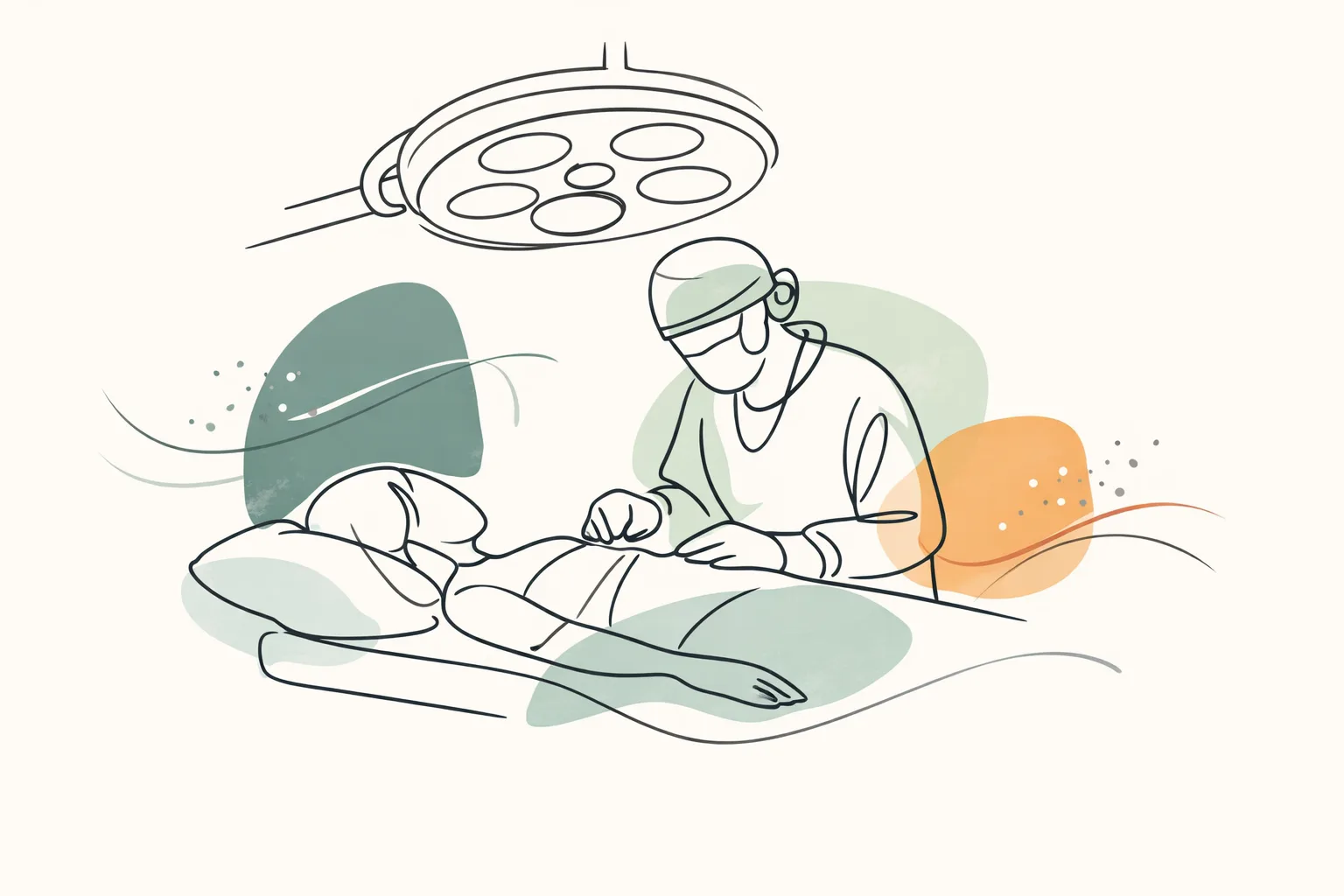
You come in, have the procedure, and go home the same day. It's done under local anaesthetic — the area is numbed, but you stay awake throughout. No general anaesthesia required.
Dr Konrat marks the dissection areas based on the plan from your consultation. She then uses fine instruments to separate and reshape tissue layer by layer, working within the superficial plane.
Once the reshaping is complete, dissolvable sutures close the area. The whole thing takes roughly 60 to 90 minutes depending on how much tissue needs to be addressed.
Afterwards, you rest in our recovery area before heading home with written aftercare instructions.
Who May Be a Candidate
People come to us for different reasons. Some have discomfort during exercise or cycling. Others deal with chafing from clothing or irritation that gets in the way of everyday life. Some have concerns about asymmetry or the size of their labia.
You need to be over 18. At your consultation, Dr Konrat will go through your medical history, talk about what's bothering you, and be upfront about what labiaplasty can and can't do for your particular situation.
Not everyone who enquires will be a suitable candidate. Dr Konrat will tell you honestly if the procedure isn't right for you.
What to Expect on the Day

When you arrive at our Bondi Junction rooms, our all-female clinical team will get you settled. There's time to ask any last questions before things start.
The local anaesthetic numbs the area completely. Most patients say they feel pressure but not pain. You're welcome to listen to music or a podcast while Dr Konrat works.
After the procedure you'll rest for about 30 to 60 minutes. You'll need someone to drive you home — we won't discharge you without a support person. We send you off with written aftercare instructions, pain relief advice, and our direct contact details in case anything comes up.
Recovery and Aftercare

Plan for about a week off work. If you're at a desk you may be back sooner; physical jobs will need longer.
Swelling and bruising in the first week or two are completely normal. Cold compresses and the pain relief we prescribe will help. The sutures are dissolvable — they break down on their own within three to four weeks, so there's nothing to have removed.
For four to six weeks after the procedure, avoid heavy exercise, swimming, and baths. Sexual activity is off limits for at least six weeks. Stick to loose, comfortable clothing while you heal.
We'll see you at one week and again at six weeks for follow-up. If anything concerns you between those visits, call us. The final outcome takes three to six months to settle as swelling goes down and tissue reaches its permanent position.
Risks and Complications
Every surgical procedure carries risk. You need to understand these before deciding whether to go ahead.
With labiaplasty, the risks include bleeding, infection, delayed wound healing, wound dehiscence (where the wound separates), asymmetry, scarring, chronic discomfort, and changes in sensation — which can be temporary or permanent. Some patients require revision surgery.
The DOVE Surgery Technique's superficial dissection approach may reduce certain risks, but no technique eliminates them altogether. How likely a complication is and how severe it might be varies from person to person.
Dr Konrat goes through all of this at your consultation. Ask as many questions as you need. There is no pressure to make a decision on the spot — take whatever time you need.
Who is it for
You may be a candidate if
Physical Discomfort
Discomfort during exercise, cycling, or everyday activities caused by labial tissue.
Irritation or Chafing
Persistent irritation from clothing, physical activity, or prolonged sitting.
Functional Concerns
Difficulty with hygiene, discomfort during intimacy, or interference with daily function.
Asymmetry or Size
Concerns related to the shape, size, or symmetry of the labia that cause distress.
Suitability is assessed on a case-by-case basis during consultation.
The procedure
How it works
Consultation & Planning
Dr Konrat assesses your anatomy, discusses your goals, and creates an individual surgical plan.
Local Anaesthetic
The treatment area is numbed with local anaesthetic. You remain awake throughout the procedure.
DOVE Surgical Technique
Superficial dissection to reshape tissue while preserving blood supply and nerve pathways.
Suturing & Recovery
Dissolvable sutures are placed. You rest in our recovery area before being discharged the same day.
Recovery
What happens after
Recovery varies. These are general guidelines — Dr Konrat provides individual advice at follow-up.
Day 1–3
Rest at home. Swelling and mild discomfort are normal. Cold compresses and prescribed pain relief help manage symptoms.
Week 1–2
Most patients return to desk work. Swelling gradually reduces. Dissolvable sutures begin to dissolve.
Week 4–6
Low-impact exercise can typically resume. Swimming, cycling, and sexual activity should still be avoided until cleared.
Month 3–6
Final results become apparent as all swelling resolves and tissues settle into their permanent position.
Costs
What you pay depends on the complexity of your procedure and the treatment plan Dr Konrat puts together for you. As a cosmetic doctor, Medicare rebates don't apply through this practice.
You'll receive a full fee estimate after your consultation. The surgical fee covers the procedure, anaesthesia, all follow-up appointments, and aftercare support.
Consultation fee: $165 (credited toward the surgical fee if you go ahead).
Common questions
All surgical procedures carry risks including bleeding, infection, scarring, asymmetry, and altered sensation. Individual results may vary. A 7-day cooling-off period applies before any procedure can be scheduled. A consultation is required to assess suitability.
Questions? Book a consultation.
Dr Konrat will discuss your individual situation, explain what the procedure involves, and answer any questions you have.
Consultation fee: $165 · No obligation